
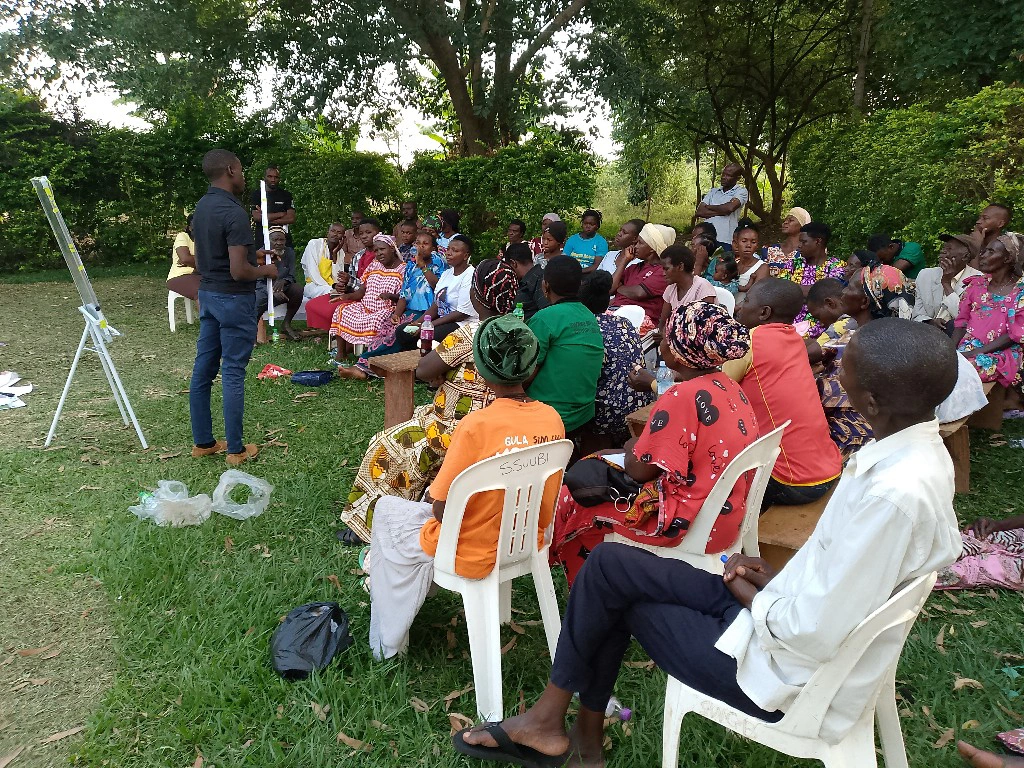


Nature is a powerful ally in strengthening the resilience of our food systems, but vital knowledge is needed to make it work and keep agency in the hands of local communities.
Sharing this knowledge with the next generation is crucial for nurturing healthy soils and building resilient farms, and supporting small scale farmers in the context of an increasingly unstable climate.
That is the basis for our agroecological training program for youth in Mbale.
The rich volcanic soils of Mbale region, have led to its reputation as the “Food Basket of Uganda”. This has allowed the region to become a major agricultural hub, with farming being a key part of the local economy. The region’s mix of highlands and lowlands makes it suitable for various crops like coffee, maize, bananas, and vegetables.
But in the context of a changing climate, yeilds have become more unstable, placing the fertility of the land and the livelihoods that depend on it at risk. Continuing with business as usual without support for sustainability and resilience are not an option.
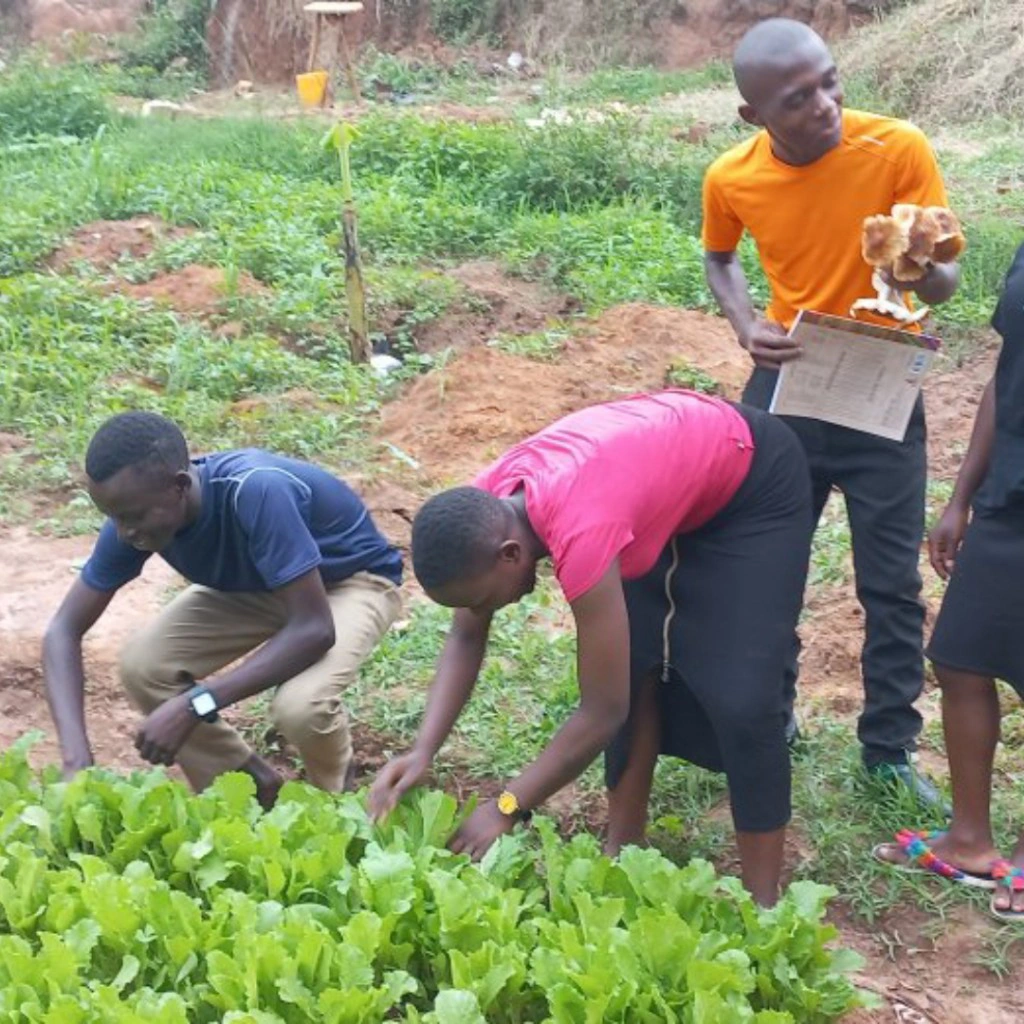
We are working to support the next generation in Mbale in building the resilience of their land through agroecological practices. The benefits of these practices extend beyond just environmental protection, they are a win-win to increase yields, and improve food security.
Youth typically get involved through local schools, community groups, or word of mouth. Training is led from local farms or community centers, with hands-on learning and demonstrations.
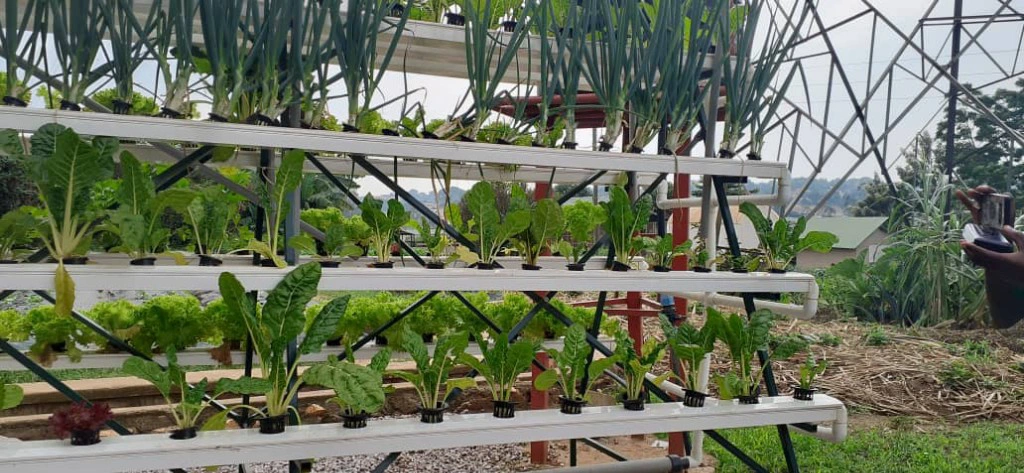
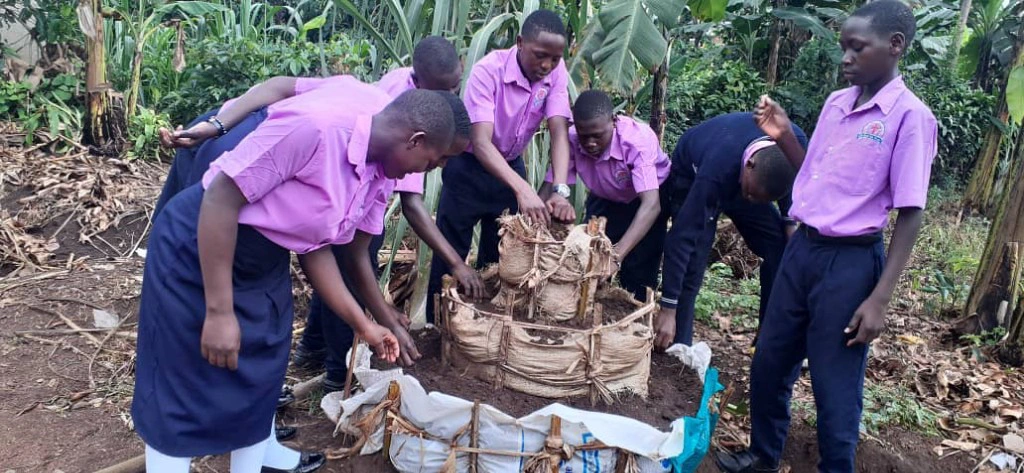
The training covers simple, low-cost, scaleable techniques like composting and rainwater harvesting- which have low barriers to entry and help retain soil moisture and reduce erosion. These techniques are simple but effective, and can boost crop yields by as much as 30%.
Our work has shown clear results: we’ve trained over 350 young people in effective organic farming methods, and helped raise awareness of the importance of protecting the natural bounty of the soil.
Agroecology is key to building climate resilience, ensuring communities thrive despite environmental challenges. Our work is giving young people the agency and opportunity to build their own sustainable future.
Would you like to get involved and learn more about agroecological practices? Reach out via the contact us page and find out how.
 Nourishing people, protecting our planet, and empowering communities
Leave a comment